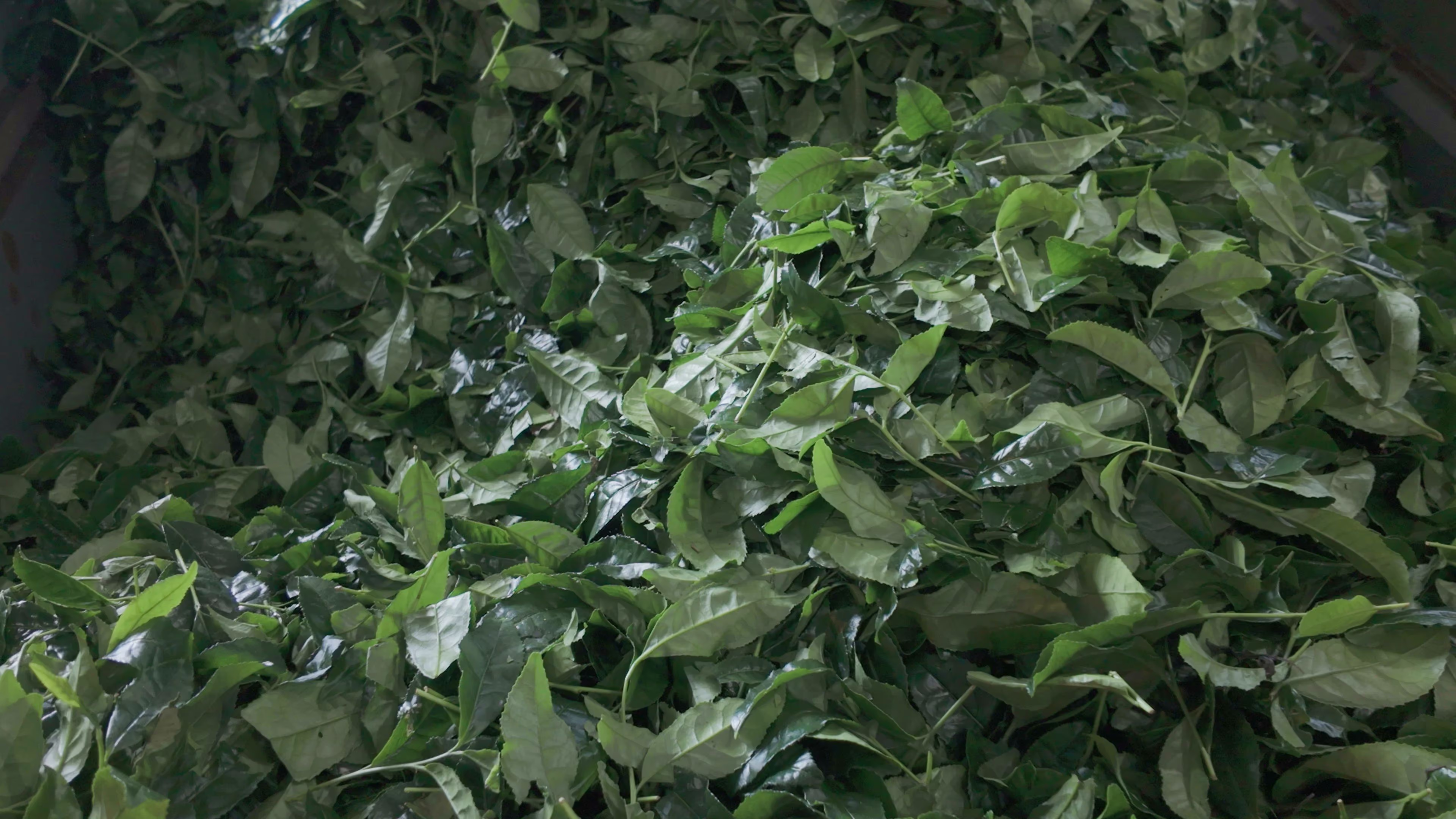
Good matcha starts with the harvest.
A tea field in Japan is harvested several times a year. When a leaf is picked is something you can see and taste in every bowl.
A year on the tea field.
Pick a phase in the circle and see what it does to the matcha.
Winter rest
The tea plants rest and store energy in their roots.
Shading
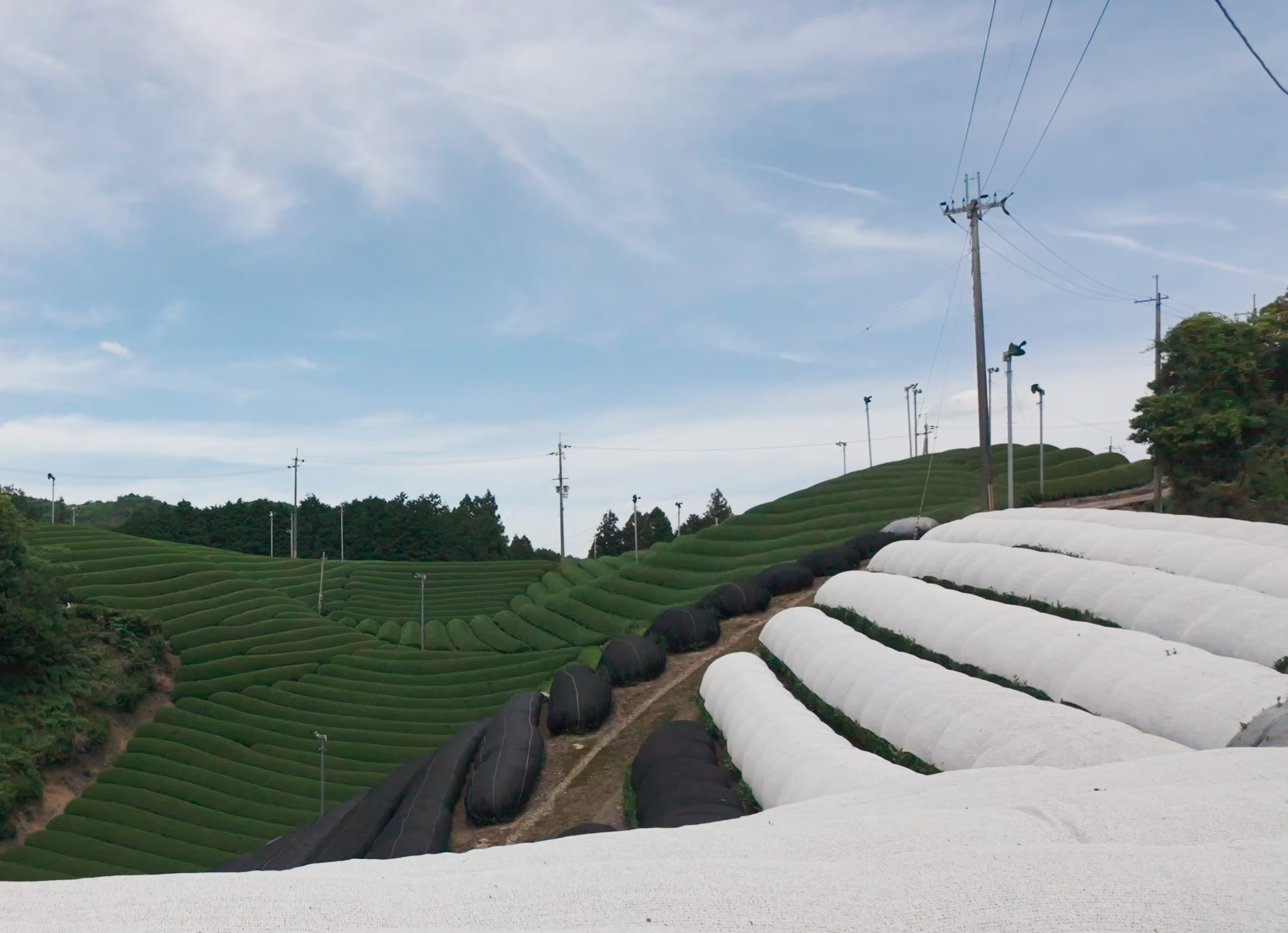
About four weeks before the first harvest, the farmers cover the fields.
First spring harvest
The first young leaves after winter. This is what we make our matcha from.
Pruning
After the first harvest, the tea bushes are trimmed into shape so they grow back evenly.
Summer harvest
The second harvest of the year. The leaves get a lot of sun and build up more bitter compounds.
Autumn harvest
The last leaves of the year are large and tough.
The colors in the circle roughly show what the powder looks like. You'll find real photos further down.
And hojicha?
We slowly roast our hojicha from the leaves of the June pruning. It tastes toasty, with hazelnut notes.
How matcha is made.
Only a few steps lie between the tea field and the powder. Each one decides the color and taste.
Shading
About four weeks before the harvest, the fields are kept in the shade.
Picking
For our matcha, only the young leaves of the first spring harvest.
Steaming
The leaves are steamed briefly so they stay green.
Drying
Then they are dried, and the stems and veins are removed.
Grinding
Granite mills slowly grind the leaves into a fine powder.
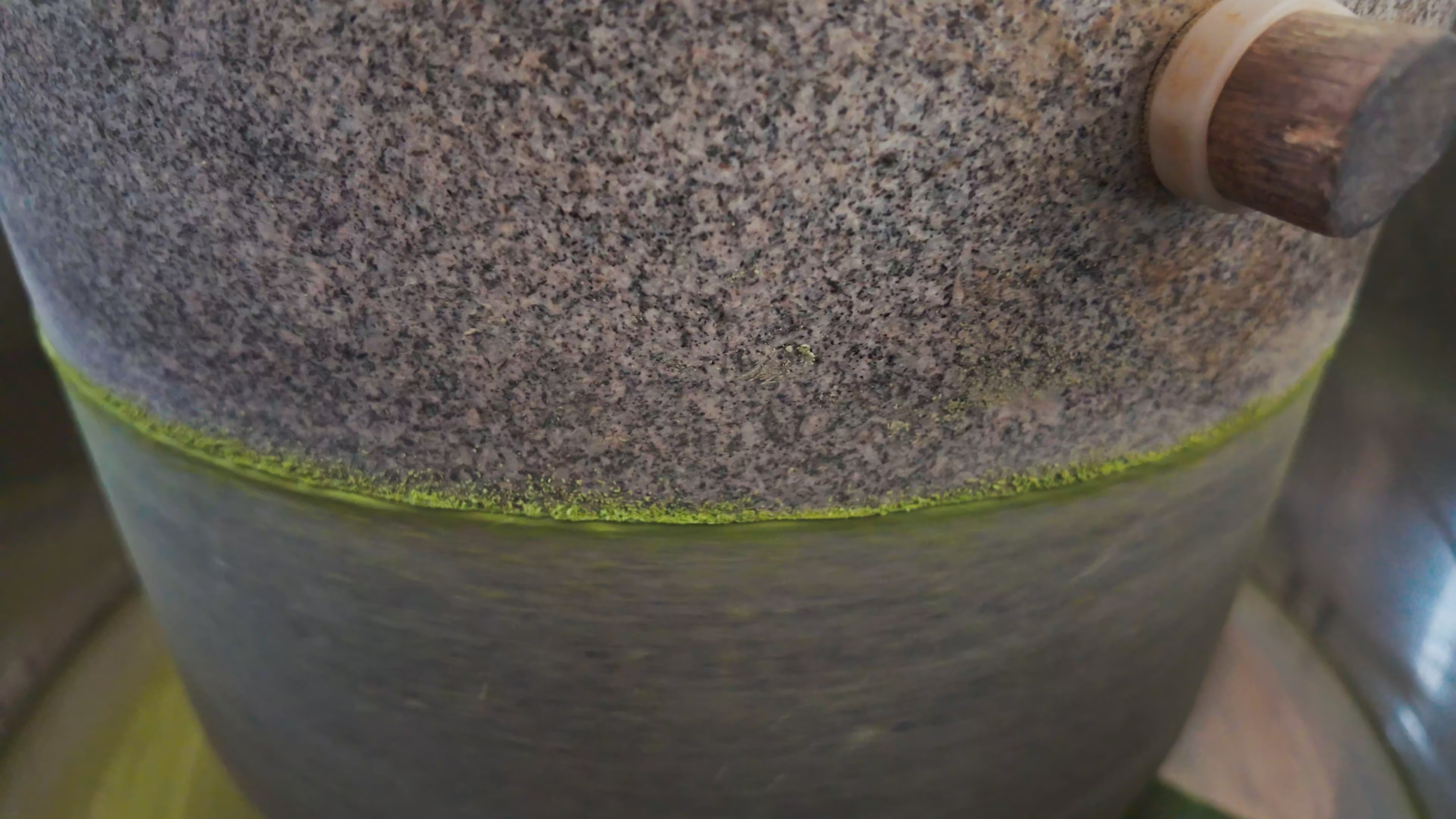
It turns slowly so that hardly any heat builds up while grinding. That protects the color and taste, but it takes time. This is why matcha ground on granite costs more than powder from fast mills.
You can see the difference.
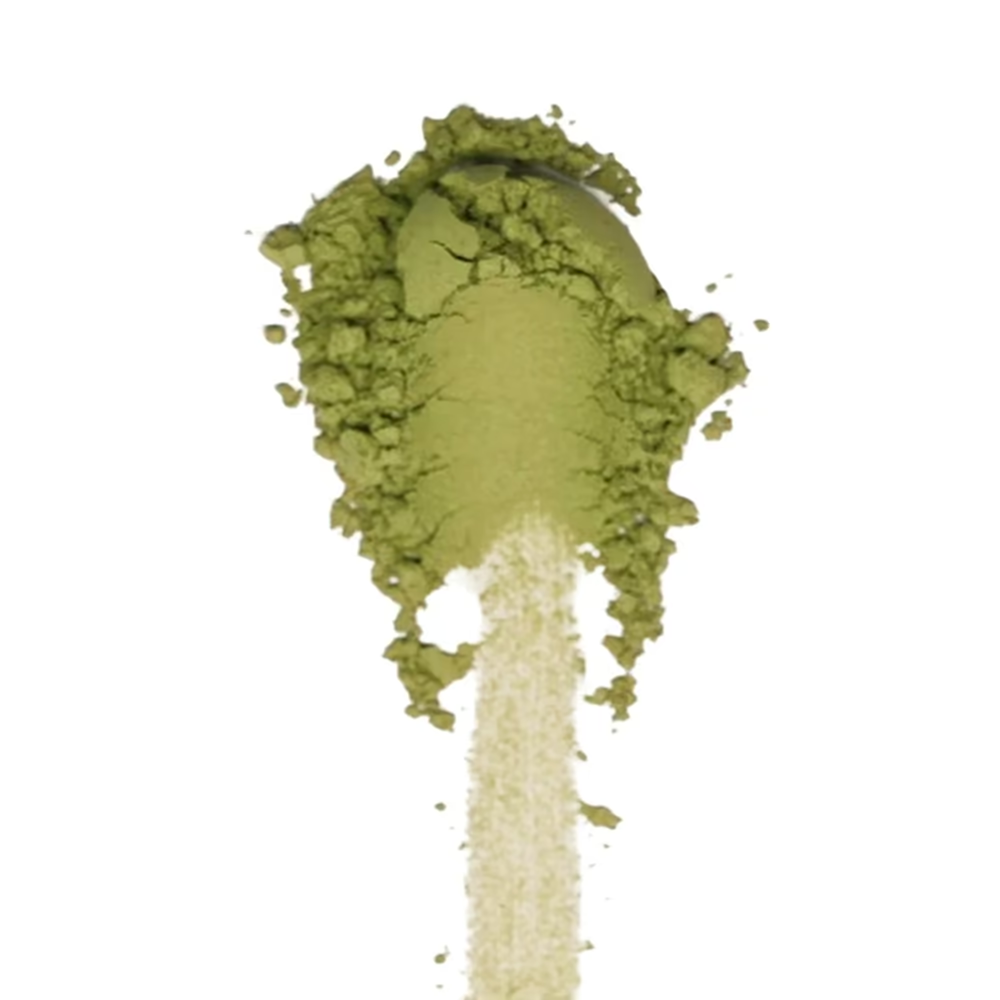
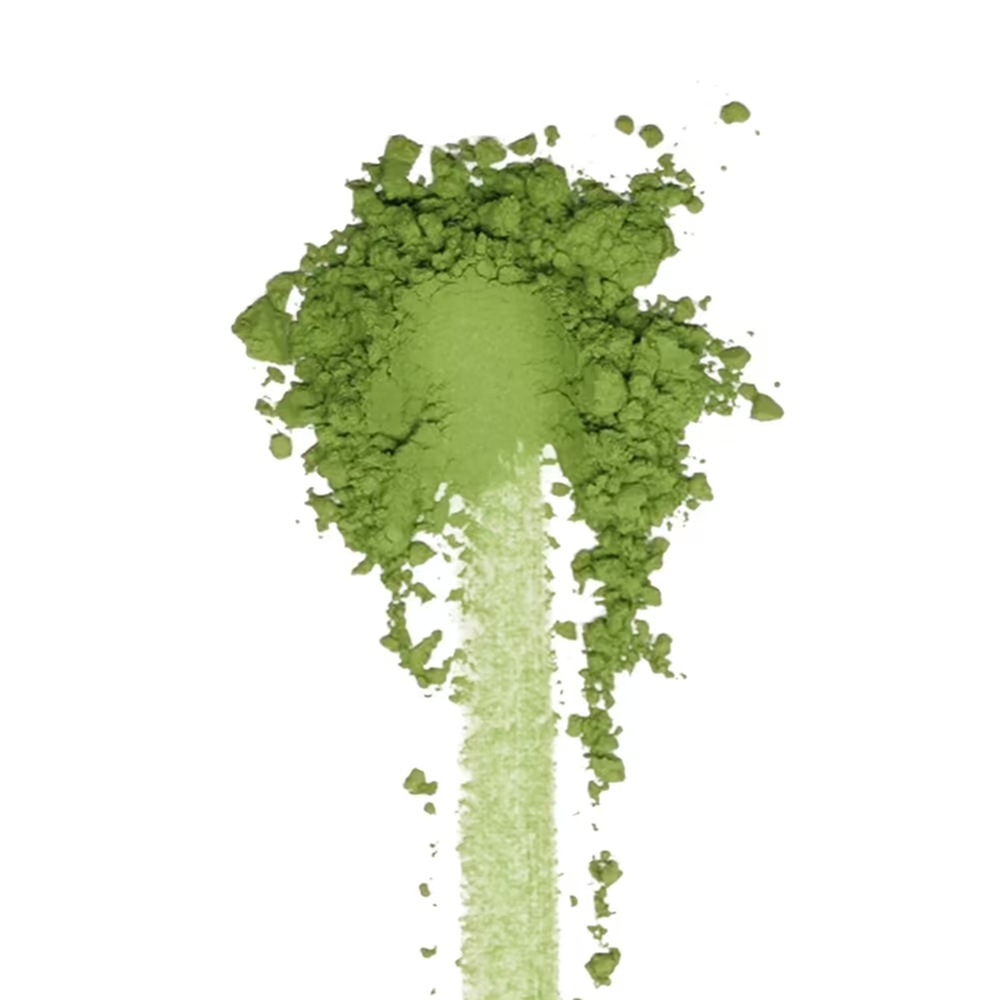
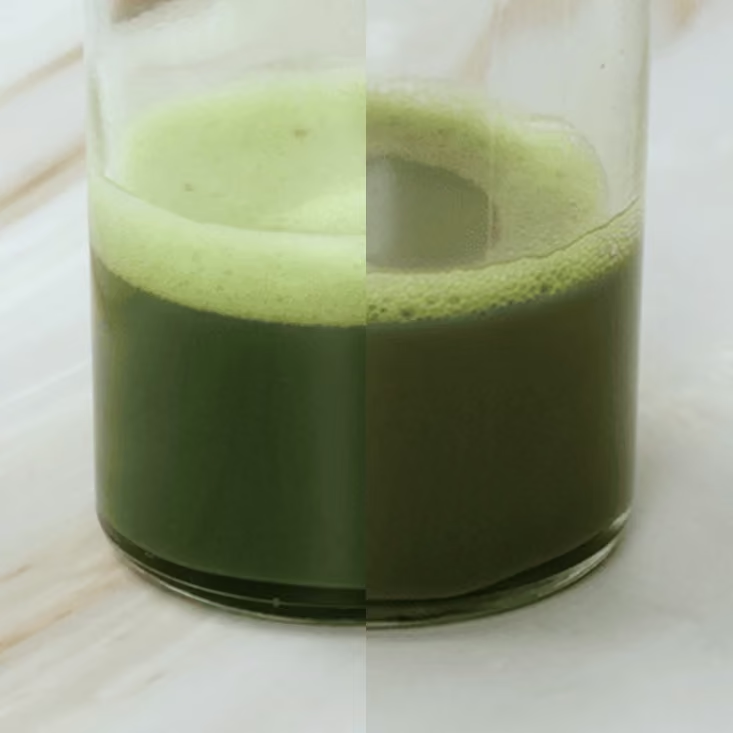
On the left, our matcha from the first spring harvest. On the right, matcha from the summer harvest. Drag the slider and compare for yourself.
The powder
With water
The taste
You notice the difference most clearly when you drink it straight, with water only.
With water only, it's mild and round, with a natural sweetness. You hardly notice any bitterness.
With water only, it quickly turns bitter. A dry feeling stays in your mouth, which milk and sugar make less noticeable.
Five signs of good matcha.
With us or anywhere else: you can check these points before your first sip.
Bright green
If it looks olive green or brownish, it's old or comes from a later harvest.
Origin stated
A region like Uji tells you more than just “from Japan”.
Harvest stated
Ideally the first spring harvest, with the year, like “Spring harvest 2026”.
Powder-fine
Between your fingers it feels soft, without any grains.
Well packed
Packed airtight and protected from light, with a best-before date.
What does “ceremonial” mean?
The term is neither protected nor standardized. It usually means matcha that's good enough to drink straight with water.
For us, ceremonial means: only the first spring harvest, slowly ground on granite.
How your matcha stays green.
Over time, air and light turn matcha olive green and bitter. Once opened, it tastes best within 3 months.
Close it tightly after every scoop.
Store it cool and dark, not next to the stove.
Keep it away from strong smells like coffee or spices.
Use a dry spoon, moisture makes it clump.
When your matcha doesn't turn out.
The most common problems in the bowl and how to fix them.
Why is my matcha bitter?
Usually the water is too hot. Above 80°C, more bitter compounds dissolve, and boiling water makes any matcha bitter. If it still tastes harsh at 80°C, it probably comes from a later harvest.
Why doesn't my matcha foam?
Usually it's too much water or the wrong motion. Use 2g for 40ml and whisk in a zigzag for 10 to 15 seconds, not in circles. A fork or spoon hardly makes any foam.
Do I need to sift matcha?
Not ours, it's ground fine enough. Coarser matcha clumps more easily, and a fine sieve helps there.
Why does my matcha taste like grass?
A fresh, plant-like note is part of matcha. It tastes strongly of grass when there's too much powder for too little water, or when the matcha comes from a later harvest.


Only from the first spring harvest.
We source our organic matcha directly from family farms in Uji. The leaves grow in the shade for about four weeks and are slowly ground on granite mills after the harvest.