Quality, harvest, preparation, comparisons and matcha in Switzerland. With a source for every figure.
Knowledge
“Ceremonial grade” is not an official standard but a Western marketing term: neither Japan nor ISO defines quality grades for matcha. Whether a matcha lives up to the label shows in checkable details on harvest and origin, and in its colour and foam.
Good matcha is a strong, bright green and whisks into a fine, dense foam. Straight, it tastes smooth and naturally a little sweet with little bitterness, and the pack states harvest and origin along with a best-before date.
Matcha from the first spring harvest (ichibancha) comes from young, shaded shoots with more theanine and fewer catechins, so it is brighter green and tastes smoother. Later summer and autumn harvests give older leaves that have had more sun: they taste more astringent and cost much less.
It is usually the preparation: water above 80°C or too much powder for too little water brings out the bitter catechins. If matcha still tastes bitter at 2g to 40ml and 80°C, it is either old or from a later harvest.
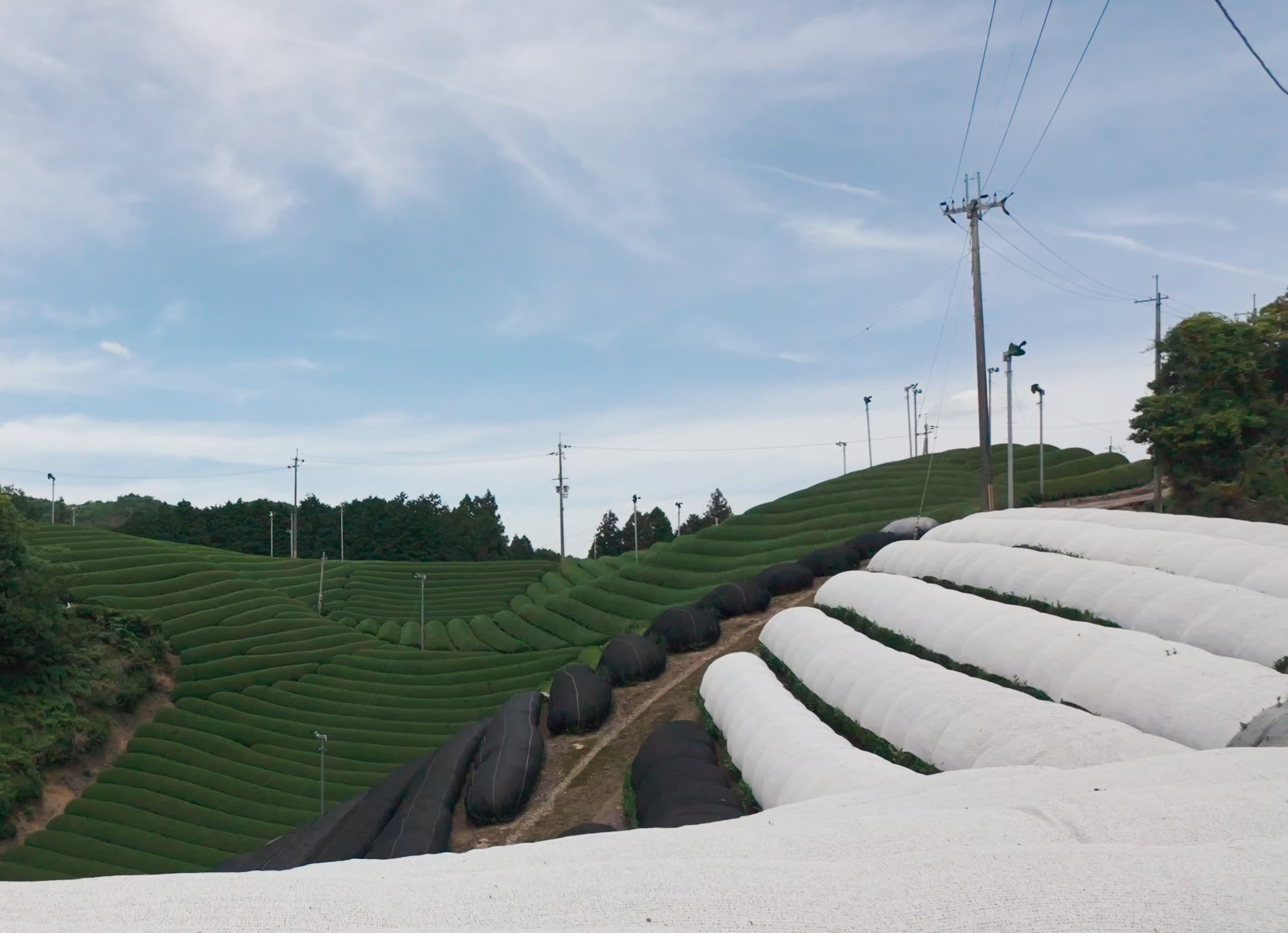
Matcha is made from tea leaves that are shaded for about three to four weeks before harvest, then steamed, dried flat without rolling and stripped of stems and veins. These leaves are called tencha, and a granite stone mill grinds only about 40g of matcha from them per hour.
Keep opened matcha sealed airtight in a cool, dark place away from strong smells, and it tastes best within about 3 months. If you need longer, store it well sealed in the fridge rather than the freezer, and let the pack reach room temperature before opening.
Comparison
High-quality matcha is not wasted in a latte: milk makes it milder, but the colour and taste of the powder stay noticeable in the glass. Cheaper culinary matcha makes sense where heat or strong ingredients cover the taste anyway, such as in baking.
Matcha and hojicha come from the same tea plant: matcha is ground from shaded, steamed leaves and stays green, while hojicha is roasted and turns brown. Matcha tastes of umami, hojicha tastes roasted and nutty and usually contains a little less caffeine.
A serving of matcha made with 2g of powder contains roughly 40 to 90mg of caffeine, as published analyses measure 19 to 44mg per gram. EFSA puts an espresso (60ml) at about 80mg and a cup of filter coffee (200ml) at about 90mg.
Matcha and sencha come from the same tea plant but are grown and processed differently. Matcha is shaded before harvest and ground into powder, so you drink the whole leaf, while sencha grows in the sun and is drunk as an infusion.
The largest share of Japan's tencha, the raw material for matcha, comes from Kagoshima (38 percent in 2023), ahead of Kyoto with Uji (23 percent), Shizuoka and Aichi with Nishio. Origin tells you about climate and tradition, but not which harvest a matcha comes from.
A bamboo whisk (chasen) whisks matcha into the finest, most stable foam and is the best choice for pure matcha. An electric milk frother needs no practice and is usually enough for lattes, while a shaker works mainly for iced matcha on the go.
Switzerland
In 16 Swiss online shops in October 2026, matcha cost about CHF 3 to 6.50 per 10g when sold for baking, CHF 4 to 8.50 when sold for lattes and CHF 6.50 to 13 when sold as “ceremonial” or first harvest. That puts a 2g serving at roughly CHF 0.60 to 2.60.
Good matcha in Switzerland is served in cafés that whisk it fresh for every drink instead of preparing it in advance. A good matcha latte is bright green with a fine, stable foam, and it tastes mild with little bitterness.
Matcha has become more expensive because its raw material, tencha, averaged 8,562 yen per kilo in Japan in 2025, more than double the year before and the fifth annual rise in a row. Global demand has surged, while supply cannot keep pace, partly because of heat and a shrinking farm workforce.
For cafés
At 2g per drink, our organic matcha from Uji costs cafés from CHF 0.67 (net), cheap matcha about CHF 0.45, against a latte price of about CHF 7.50. For equipment, a bowl and bamboo whisk with a precision scoop are enough; the espresso machine's steam wand handles the milk.